Case study
Insulate Your Conservatory
How a rebuilt website and Meta Ads took a North Yorkshire conservatory roof specialist from £10,000 a month in revenue to £75,000.
- Client
- Insulate Your Conservatory
- Sector
- Home improvement: conservatory roof insulation and replacement roofs
- Location
- North Yorkshire, installing across the North of England
- Lead source
- Meta lead forms and the website
- Primary services
- Website rebuild · Meta Ads
- Creative
- Video, founder-led and seasonal ads
Answer-first summary
Insulate Your Conservatory fits insulated ceilings and replacement tiled or rubber roofs to conservatories that are too hot in summer and too cold in winter. When Castle started working with the business, it was turning over around £10,000 a month.
We rebuilt the website around the questions homeowners actually ask, and we run the business's Meta Ads, using lead forms so people can request a quote without leaving Facebook or Instagram. From May 2025 to October 2026 the campaigns produced 755 leads at an average of £32 each.
Monthly revenue has grown from £10,000 to £75,000, seven and a half times where it started.
The client
About Insulate Your Conservatory.
Insulate Your Conservatory is a North Yorkshire company that turns conservatories into rooms people can use all year. It offers two routes: an insulation system that turns the existing roof into a fully insulated ceiling, or a full replacement with a lightweight tiled or rubber roof.
Its own ads introduce the founder, Rob, and describe a business that dislikes the pushy side of home improvement sales. The website promises one-day installation for the insulation system, a 10-year insurance-backed guarantee and a “110% Satisfaction Guarantee”, and says the system can retain up to 90% of heat in the conservatory.
The brief
A real problem, and not enough people hearing about the fix.
Most conservatories are glass or polycarbonate boxes that bake in July and freeze in January. That isn’t bad luck. Conservatories built at ground level and under 30 square metres, separated from the house by external walls, doors or windows, are normally exempt from building regulations (Planning Portal), so many were never built to keep heat in.
Plenty of homeowners live with that problem for years, assuming the only answer is an expensive new roof or an extension. Insulate Your Conservatory had a cheaper answer and a business doing around £10,000 a month. The brief was to get the answer in front of far more of those homeowners, and to turn their interest into quotes.
The website
A website rebuilt around the homeowner's questions.
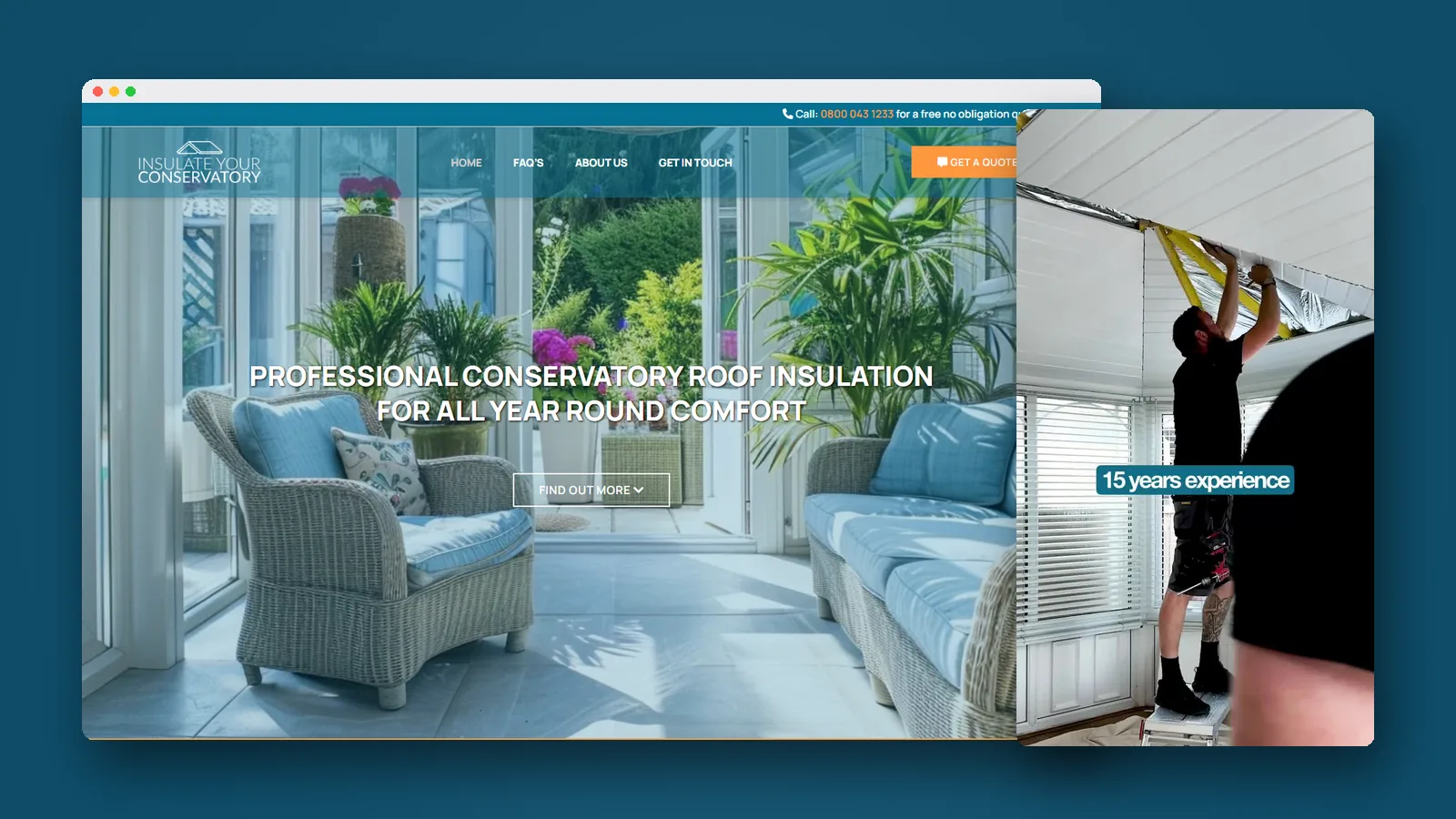
Castle rebuilt the website at iyc.solutions. It opens with what the customer wants, “all year round comfort”, and puts the freephone number and a Get a Quote button at the top of every page.
- The benefits, plainly. Cooler in summer, warmer in winter, lower heating costs and less rain noise, each in a sentence, not a spec sheet.
- Both options explained. Insulating the existing roof and replacing it with a tiled or rubber roof each get their own section, so customers can see which fits their budget.
- Answers before the call. An FAQ page covers what homeowners ask on every survey, and reviews link straight to Trustpilot.
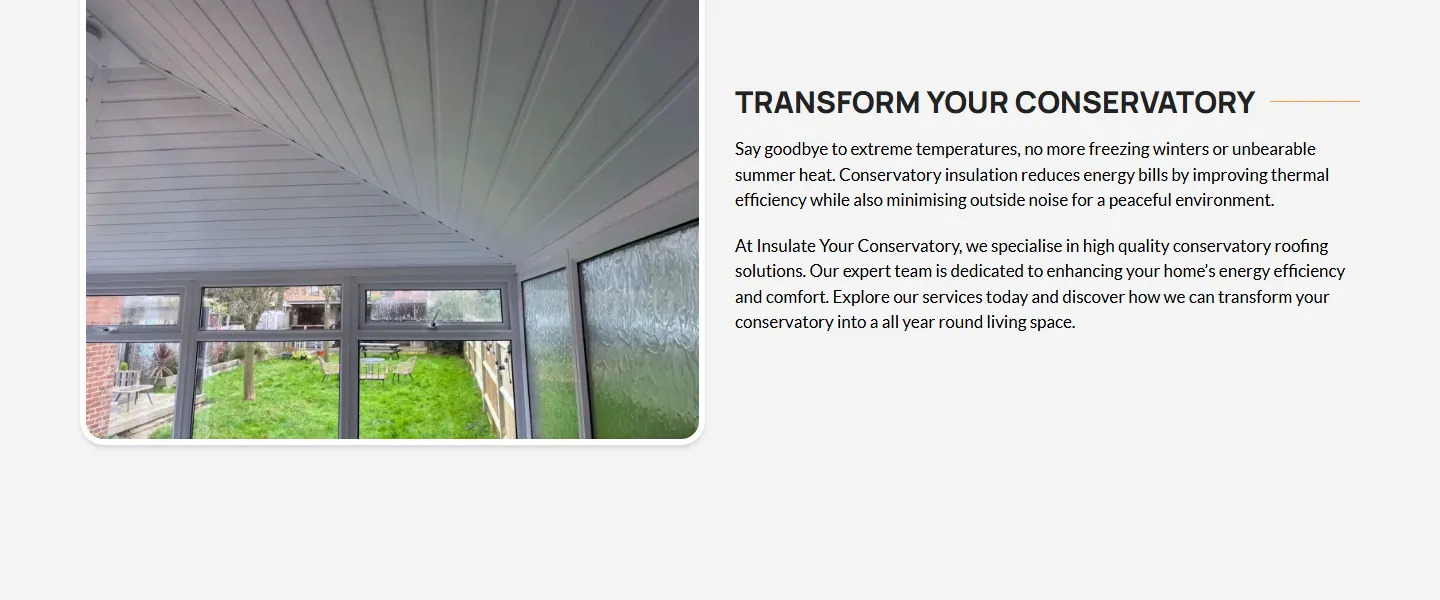
A good website design matters here even when most leads come through social ads. Before someone fills in a quote form, they usually look the business up. The site has to answer their questions and look like a company they’d let into their home.
Meta Ads
755 leads from Facebook and Instagram.
Castle runs Insulate Your Conservatory’s Meta Ads. Between May 2025 and October 2026 the campaigns spent about £24,300 and produced 755 leads, an average cost of £32 per lead, on a budget that has averaged around £1,350 a month.
Most campaigns use Meta’s lead forms. Tapping Get Quote opens a short form inside Facebook or Instagram that is already filled with the person’s name and contact details, so asking for a quote takes seconds and nobody has to wait for a website to load on a weak signal.
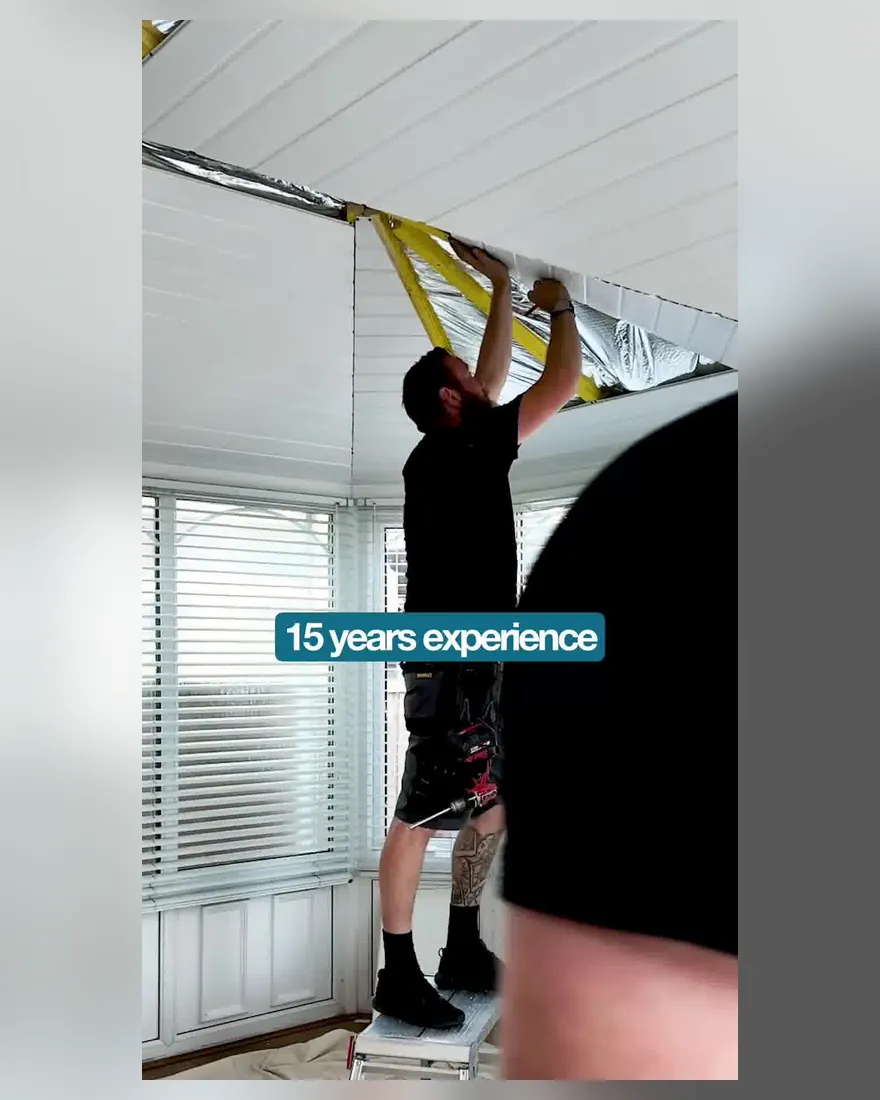
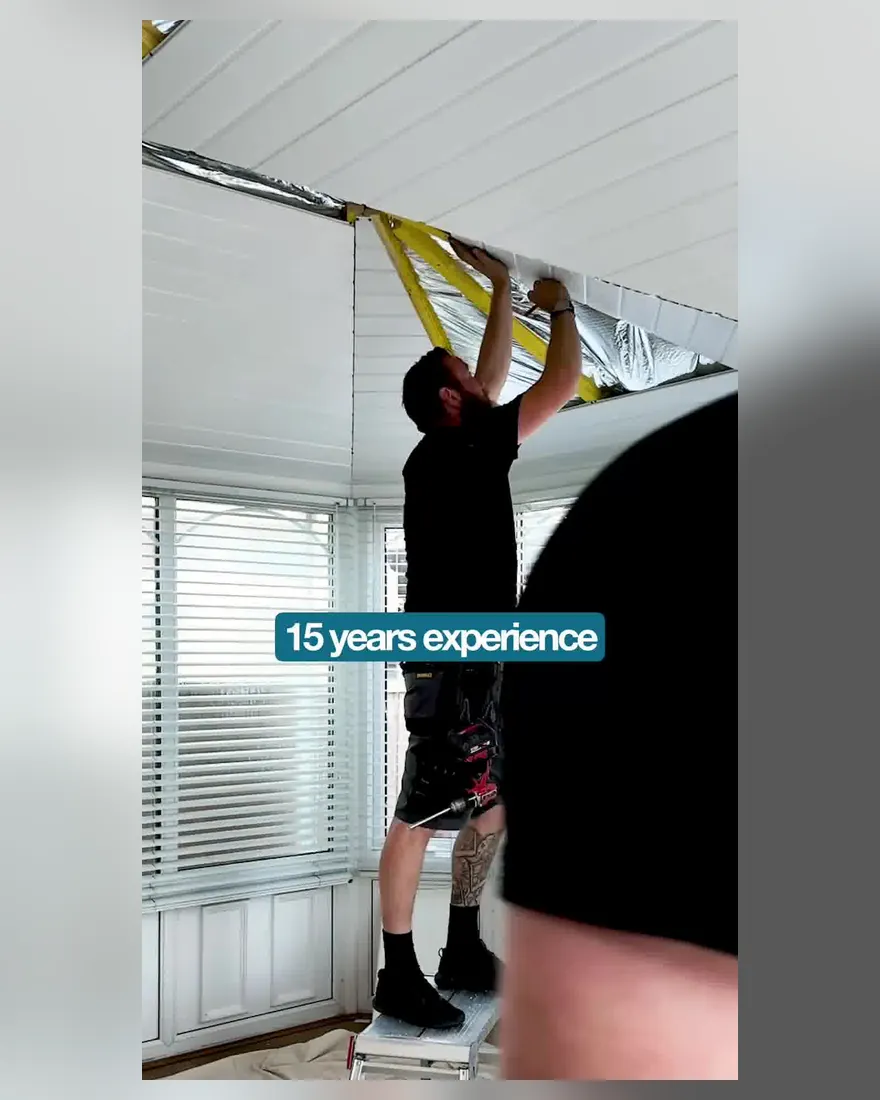
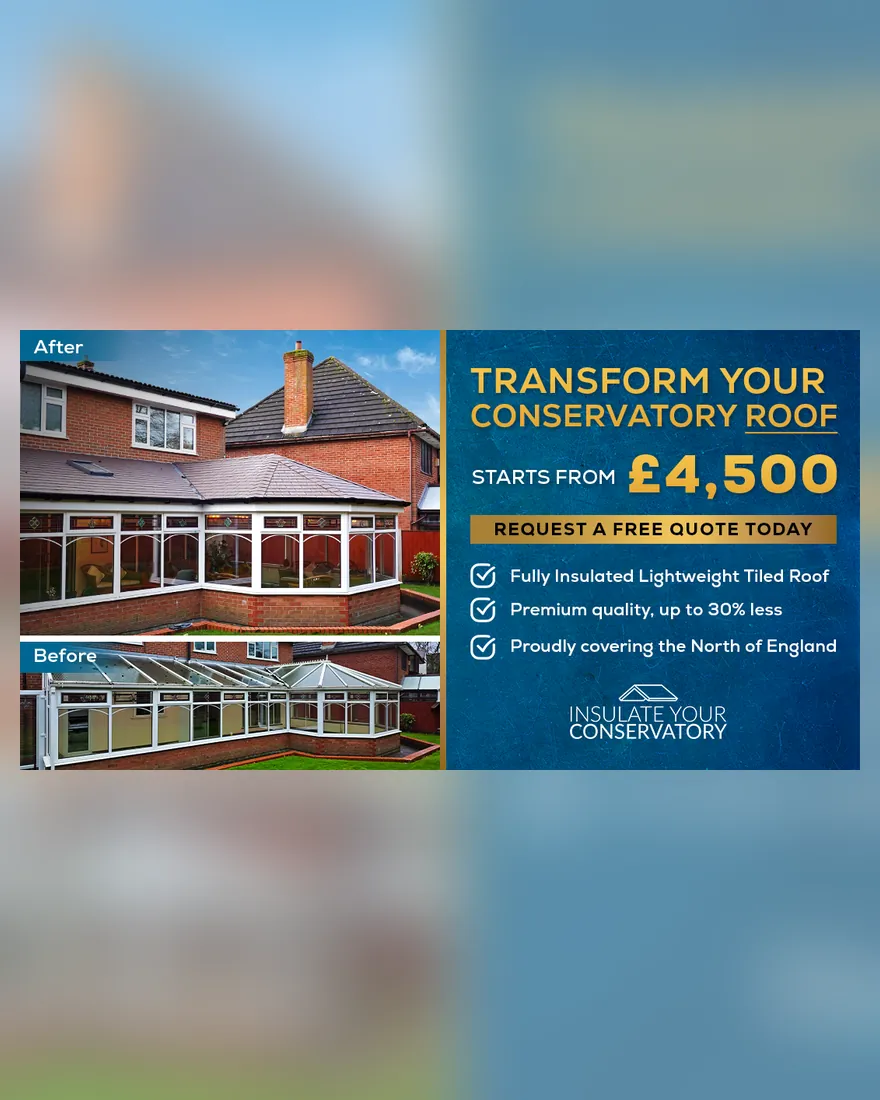
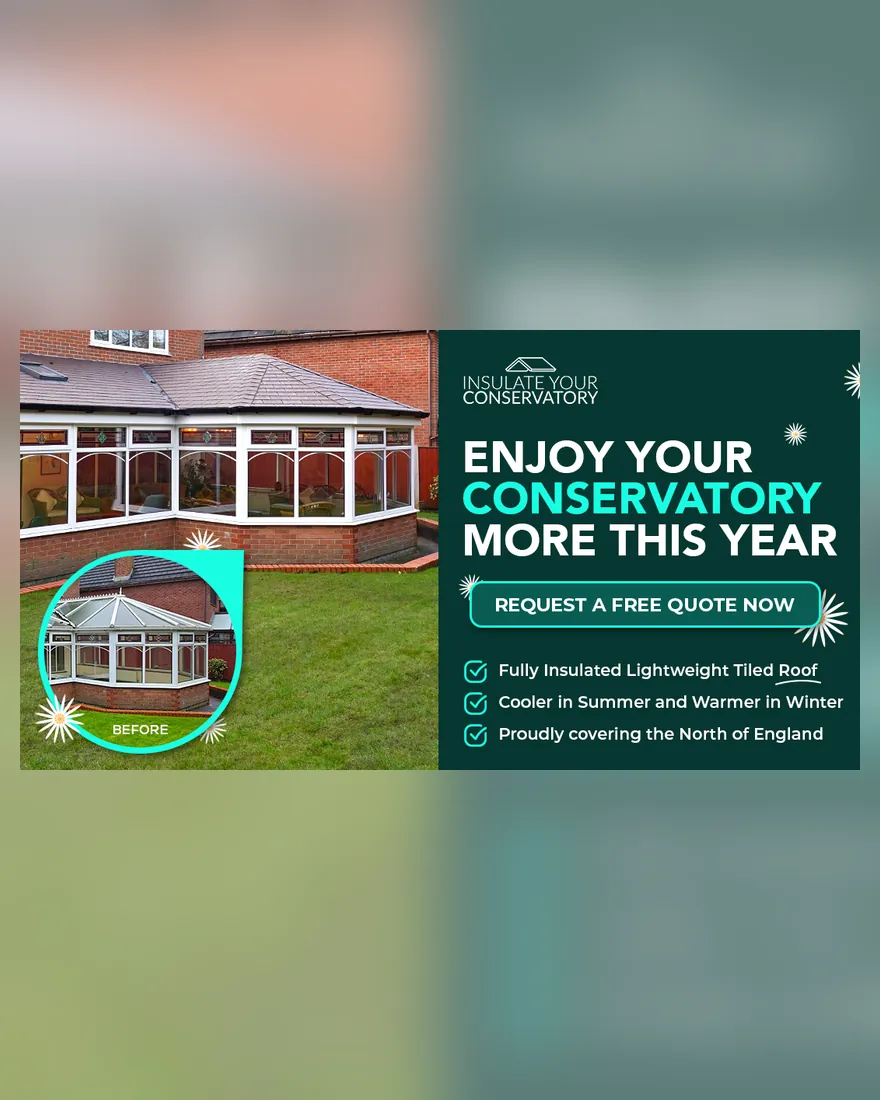
Video has done the heavy lifting. The best-performing ad in the account is a short video, which has produced 342 leads at about £25 each. Around it, the account tests other angles:
- The problem in the customer’s words. “Too hot. Too bright. Barely used.” and “Stop wasting your conservatory”.
- The founder. An ad in which Rob introduces the business and promises honest advice with no pressure.
- The season. Winter ads lead with heating bills; spring and summer ads lead with heat and glare.
- The proof. One-day installation, a 10-year insurance-backed guarantee and a 4.7-star Trustpilot rating, as quoted in the ads.
All year round
A product with two seasons, and ads for both.
A lot of home improvement marketing has a busy season and a quiet one. Conservatories are unusual because they cause trouble in both: they’re too cold in winter and too hot in summer. The advertising follows the weather, so there’s always a reason to act this month.
Alongside the lead campaigns, Castle has also run short educational videos that explain why conservatories get so hot and cold, building an audience of interested homeowners who can be shown a quote ad later.

The results
From £10,000 to £75,000 a month.
Insulate Your Conservatory has grown from about £10,000 a month in revenue to £75,000 a month. That’s seven and a half times the business it was.
Monthly revenue (£ thousands)
Behind it sit 755 leads from Meta at an average of £32 each, and a website that gives homeowners the confidence to say yes once the surveyor has been.
Takeaways
What other home improvement businesses can take from this.
- Make asking for a quote effortless. Lead forms inside Facebook and Instagram remove the slowest step.
- Let video show the result. A finished room sells a home improvement better than a list of features.
- Advertise for the weather. If your product solves a seasonal problem, change the message with the season.
- Fix the website too. People check you out before they book a survey, even when the lead came from social.
If you run a trades or home improvement business, see how we approach marketing for trades businesses and lead generation.
FAQs
Questions about this case study.
How did Insulate Your Conservatory grow from £10k to £75k a month?
Castle rebuilt the business’s website and runs its Meta Ads. The campaigns use lead forms inside Facebook and Instagram and lean on video, and they produced 755 leads at an average of £32 each between May 2025 and October 2026. Monthly revenue grew from about £10,000 to £75,000.
What does a Meta lead cost for a home improvement business?
For Insulate Your Conservatory, the average from May 2025 to October 2026 was £32 per lead, and the best video ad produced leads at about £25 each. Costs vary by area, season and offer.
Why do conservatories get so hot and cold?
Many were never built to keep heat in. Conservatories built at ground level, under 30 square metres and separated from the house by external walls, doors or windows are normally exempt from building regulations.
Which ads worked best?
Video. A short video ad has been the best performer in the account, with 342 leads at about £25 each.
Results.
Home improvement business?
Turn more of your ads into booked surveys.
Insulate Your Conservatory had a product that solves a real problem and too few people hearing about it. If your quote requests have stalled, we'll look at your ads, your lead forms and your website together.