Case study
Next Gen Charge
How Meta lead forms, Google Search and a direct line into the call centre took a brand-new EV charger installer to £1.7 million in sales in its first year.
- Client
- Next Gen Charge
- Sector
- Home EV charger supply and installation
- Coverage
- Installations across the UK
- Engagement
- From launch, ongoing
- Primary services
- Meta lead ads · Google Search ads · Website-to-call-centre API
- Also delivered
- Branding and identity
Answer-first summary
Next Gen Charge supplies and installs home EV chargers across the UK. Castle built the brand and ran the company’s lead generation from launch, using Meta lead forms and Google Search ads, with an API sending enquiries from the website straight into Next Gen Charge’s call centre.
In its first year the business turned over £1.7 million in sales. Leads cost £5 on average across Meta and Google, one lead in ten became a sale, and each sale cost £50 in advertising.
Two small changes to the lead form did a lot of the work. A filtering question asked whether the person drove an electric car or was expecting to buy one, and a second question asked when they would like to be called. The contact-time question lifted the conversion rate from lead to sale.
The client
About Next Gen Charge.
Next Gen Charge is a UK company that sells home EV chargers and fits them. Its own range includes the NextGen Pro 7.4kW smart charger, sold at £899 with standard installation included, alongside tethered and untethered Hydra models, charging cables, and workplace and fleet charging.
The company is an OZEV-approved installer, which matters in this market. The government chargepoint grant can only be used with an approved installer, and for eligible customers it takes up to £500 off the cost of a charger and its installation.
The brief
Sell chargers from the first day of trading.
Next Gen Charge came to Castle before it had a single customer. There was no brand, no audience, no list of past enquiries and no reviews to lean on. The brief was to build a business that could sell chargers from day one, which meant two things had to exist at the same time: a brand people would trust to put a 7.4kW charger on the side of their house, and a steady flow of enquiries for the sales team to call.
That second part is where most new installers struggle. Home charging is a considered purchase with a short list of questions behind it. Do I own an EV? Can I get the grant? Is my property suitable? When can you fit it? A lead source that ignores those questions fills a call list with people who were never going to buy, and that’s an expensive way to keep a sales team busy.
The brand
A brand built from nothing.
Castle designed the Next Gen Charge identity from scratch: the wordmark, a green car-and-plug symbol, and a green and charcoal palette that reads as electric and practical. The same identity runs across the charger fascia, the product photography, the website and every ad. More on how we approach identities is on our branding and design page.
For a new company that consistency does real work. Someone who sees a Next Gen Charge ad on Instagram, searches the name on Google and lands on the website sees the same business three times. That repetition is most of what trust looks like for a company that hasn’t got a history yet.

Meta lead ads
Instant forms that qualify before they collect.
The Meta Ads campaigns used instant forms rather than sending people to the website. An instant form opens inside Facebook or Instagram with the person’s name, email and phone number already filled in, so enquiring takes a couple of taps.
There’s a well-known catch. Make a form easy enough and you collect a lot of casual curiosity alongside the real buyers. The way round it is to ask custom questions before the contact details are submitted, which Meta supports through multiple-choice custom questions and a “higher intent” setting that adds a review step before the form is sent (Meta for Developers, lead ads).
The filtering question
Every form asked whether the person already drove an electric car or was expecting to buy one. It sounds obvious, but it changes who ends up on the call list. Someone thinking about an EV in a couple of years is a future customer, not this week’s install, and the sales team could prioritise accordingly instead of finding that out twenty seconds into the call.
The contact-time question
The second question asked when the person would prefer to be contacted. Adding it increased the conversion rate from lead to sale.
The reason is fairly human. A form that asks “when suits you?” sets an appointment rather than triggering a cold call, so the person expects the phone to ring and picks up when it does. The call centre gets a better first conversation, and fewer leads are lost to voicemail.

The creative
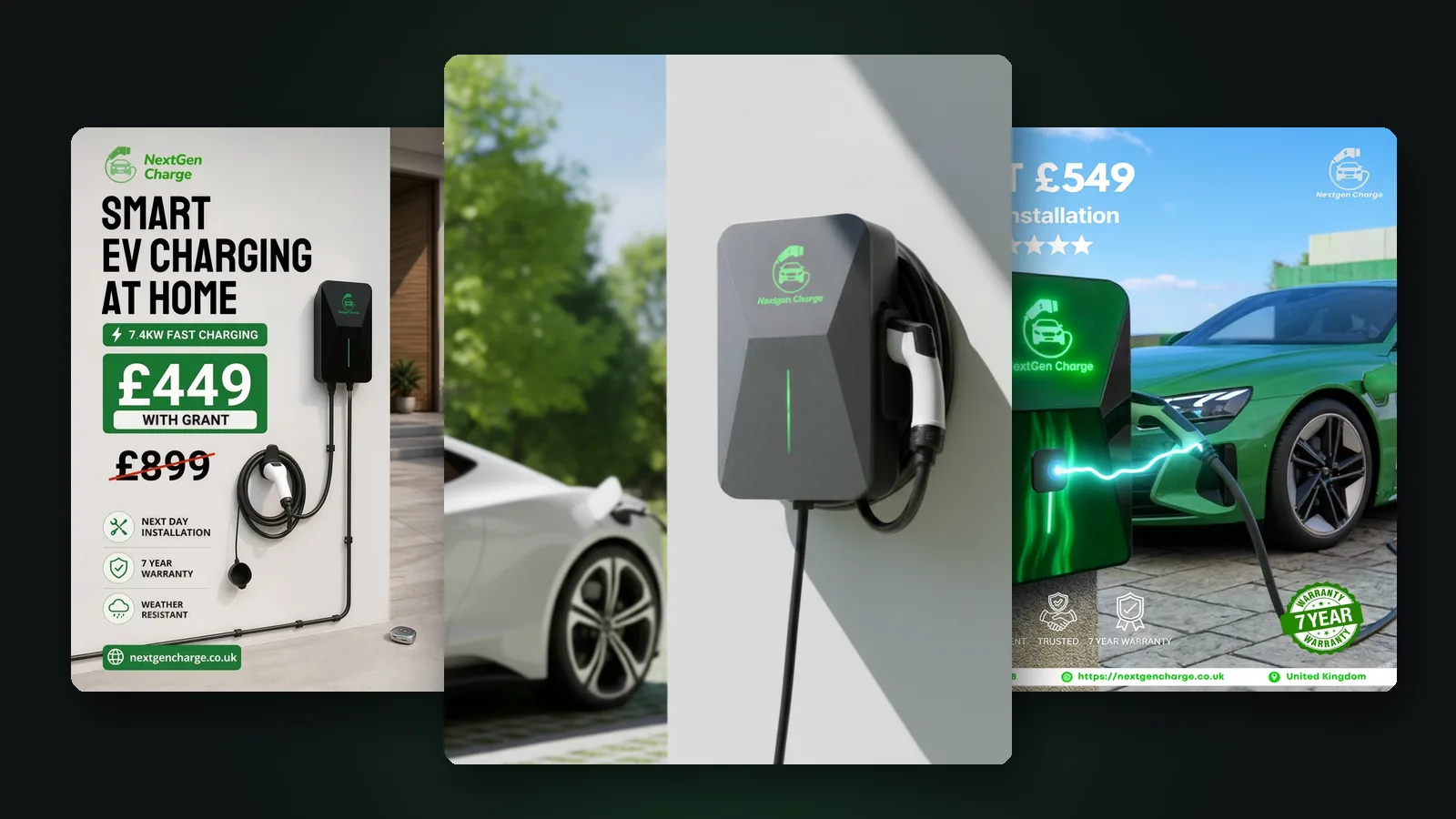
The ads lead with the number homeowners care about first, the price, and back it up with the reasons to trust a new name. Across the account the recurring building blocks are:
- the price after the government grant for eligible customers, such as “Only £449 with eligible grant”;
- free professional installation, and next-day installation where available;
- the 7-year warranty;
- smart app control and 7.4kW charging;
- a “Get quote” button, because a quote is the honest next step for something that has to be fitted.
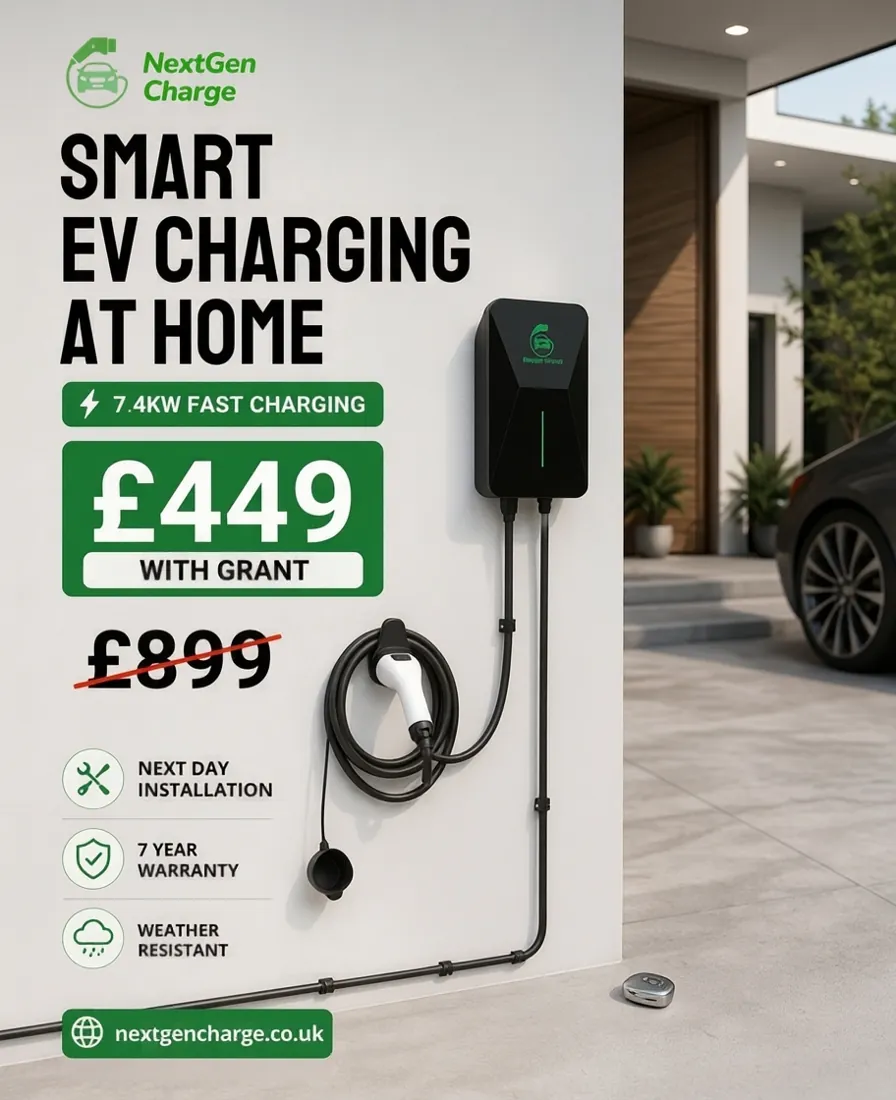
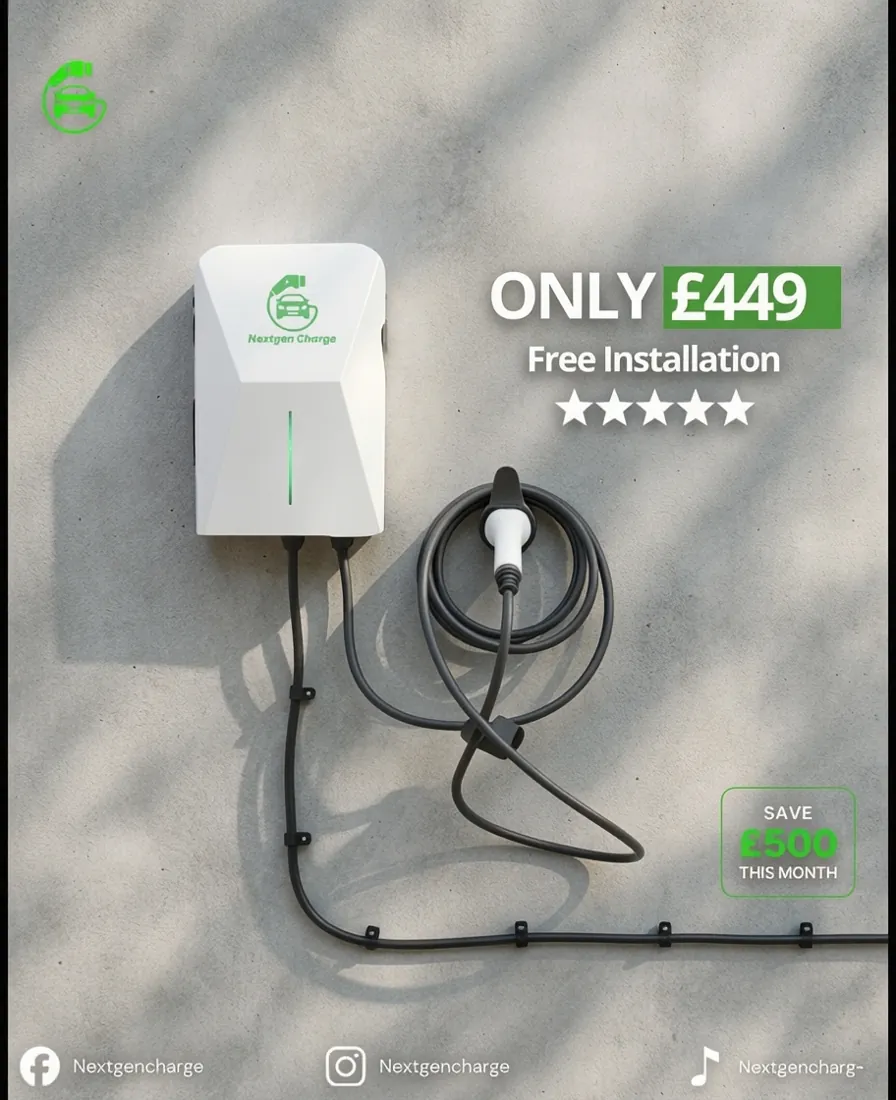
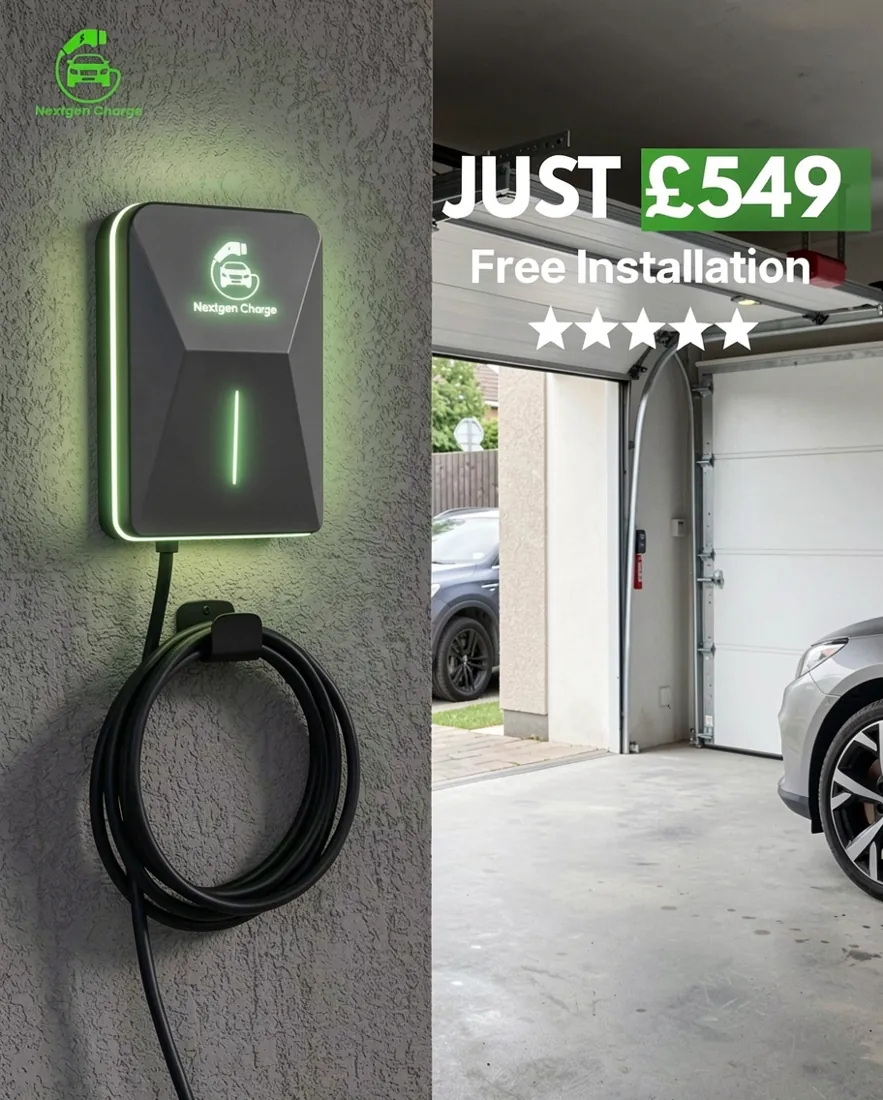
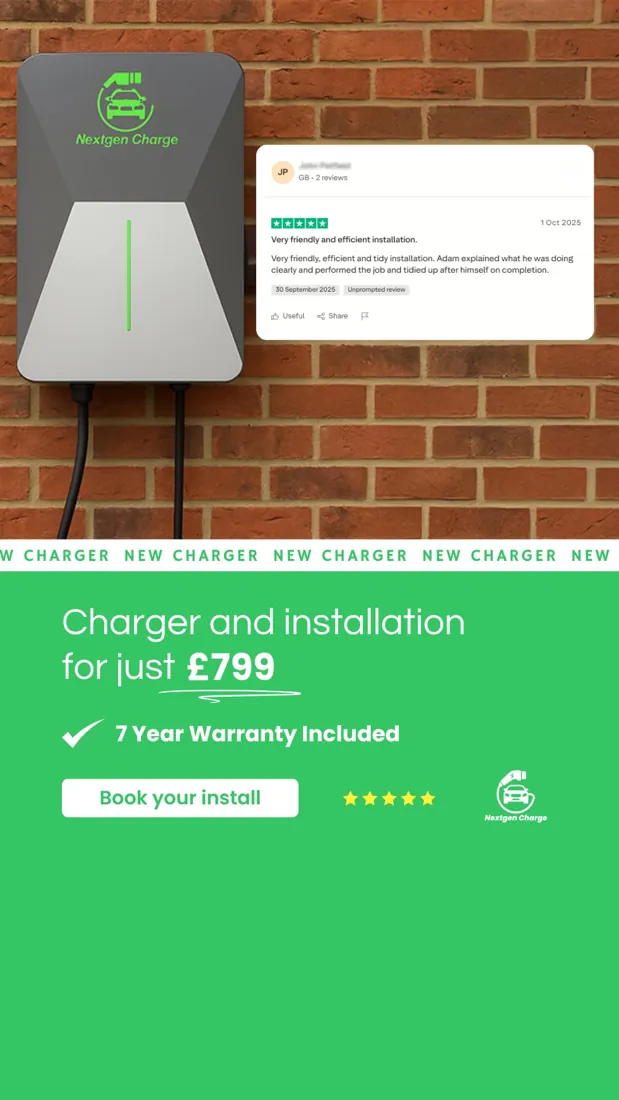
Price-led and grant-led versions run side by side, with warranty and reviews as the supporting message. Testing the offer line, not just the image, is what tells you which reason to buy carries the most weight.
Google Search
Catching the people already looking.
Meta finds people who weren’t looking yet. Google Search catches the ones who already are. The search campaigns targeted people actively looking for a home EV charger and its installation, and sent them to the website to enquire.
Search and social did different jobs and were judged on the same measure. Across both platforms the average cost per lead was £5.
The integration
Every website enquiry, straight into the call centre.
Castle built an API connection from the website into Next Gen Charge’s call centre, so a website enquiry lands in the sales team’s system the moment it is submitted, with the person’s answers attached.
Speed to lead is the unglamorous part of lead generation, and it’s often where a campaign is won or lost. An enquiry that waits in an inbox overnight goes cold, or gets picked up by a competitor who rang first. Removing the manual step also means nothing is copied across by hand, so phone numbers aren’t mistyped and enquiries aren’t missed.

The maths
Why a £5 lead and a £50 sale are the same number.
The three numbers in this case study are really one number. A £5 lead that converts one time in ten produces a sale for £50 of advertising.
To put the £50 in context, the NextGen Pro charger is sold at £899 with standard installation. On that package, £50 of advertising is about 5.6% of the selling price. That’s a worked example rather than a reported margin, but it shows why the business could keep spending as it grew.
Cost per sale beats cost per lead
It’s also why we judge lead generation on cost per sale, not cost per lead. A £2 lead that converts one time in fifty costs £100 a sale, twice as much as Next Gen Charge paid. It’s the same thinking behind our work for BiFold Local, another home-improvement installer, where stricter lead forms came before any attempt to make leads cheaper.
The market
A growing market, and a grant that moved.
Next Gen Charge launched into a growing market. In 2025, 473,348 new battery electric cars were registered in the UK, 23.4% of the new car market, according to the Society of Motor Manufacturers and Traders. Every one of those drivers is a potential home-charger customer.
The grant also moved during the year. From 1 April 2026 the maximum chargepoint grant for renters, flat owners, landlords and households with on-street parking rose from £350 to £500 per socket, with funding available until 31 March 2027 (GOV.UK). Because the grant has to go through an OZEV-approved installer, it gave Next Gen Charge a concrete, checkable reason to buy, which is why so much of the creative leads with the price after the grant.
A growing market doesn’t sell chargers on its own, though. Plenty of installers launched into the same conditions. What made the difference here was a lead source built around the questions a buyer has, and a sales team who could call every enquiry quickly.
Takeaways
What other installers can take from this.
- Qualify on the form, not on the phone. One multiple-choice question about owning or buying an EV saves the sales team from calling people who are years away from buying.
- Ask when to call. A preferred contact time turns a cold call into an expected one, and it raised conversion for Next Gen Charge.
- Send leads straight to the people who ring them. An API into the call centre removes the delay and the copy-and-paste errors.
- Judge campaigns on cost per sale. £5 a lead only means something next to the 10% conversion rate behind it.
FAQs
Questions about this campaign.
How much did each lead cost?
Leads cost £5 on average across Meta and Google Search. With 10% of leads becoming sales, each sale cost £50 in advertising.
Which platforms were used?
Meta lead ads on Facebook and Instagram, using instant forms with qualifying questions, and Google Search ads for people already looking for a home charger.
How were leads passed to the sales team?
Castle built an API connection from the website into Next Gen Charge’s call centre, so enquiries arrive in the sales team’s system as soon as they are submitted.
What improved the conversion rate?
Asking people on the form when they would prefer to be contacted. The call becomes expected, so more people answer and more leads become sales.
Results.
Launching something new?
Start with the lead form.
Next Gen Charge came to Castle with a product and no customers. If you’re launching a business, or your leads aren’t turning into sales, we’ll look at your forms, your campaigns and what happens after someone enquires.